
Why is the field of neurology important?
Neurology is one of the most pivotal medical fields because it focuses on the “command center” that controls every bodily function, from movement and thought to sensation and organ regulation.
The field is a lifeline for those who suffer from neurological conditions and a driving force in medical research and innovation. Without neurology, the ability to diagnose, treat, and understand the brain, spine, and nerve-related diseases would be severely limited.
Neurology has generated some of the most significant medical advancements in recent years. These same breakthroughs are reshaping the way we understand the brain and nervous system.
What is Neurology
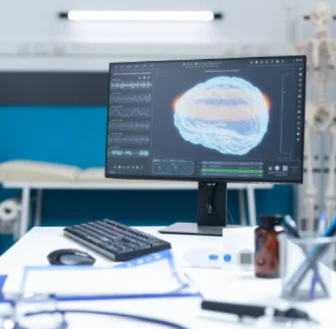
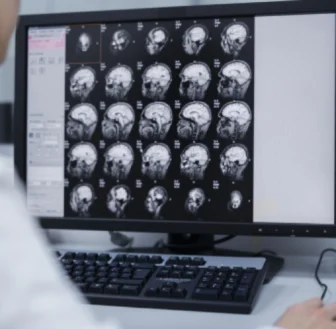
Neurology is a branch of medicine that studies, diagnosis, and treats disorders and diseases of the nervous system. The nervous system includes the brain, spinal cord, and peripheral nerves, categorized into these two essential parts:
- The central nervous system: This part of the nervous system includes the brain and the spinal cord and is responsible for processing information, controlling movement, and regulating bodily functions.
- The peripheral nervous system: This part of the nervous system includes the nerves outside the brain and spinal cord that transmit signals between the CNS and the rest of the body.
Critical to survival
The nervous system works to regulate the following daily functions:
Cognition and memory
These processes incorporate your body’s ability to think, perceive, remember, reason, and make decisions.
Movement and coordination
This group represents muscle control, reflexes, and voluntary actions, such as walking, talking, running, or writing.
Sensation and perception
This category embodies functions like vision, hearing, touch, pain, and balance.
Autonomic functions
Also known as involuntary functions, these functions include your heartbeat, digestion, breathing, and temperature regulation.
A Comprehensive Checklist
Getting to Know Your Neurologist’s Role
A neurologist is an expert in identifying and treating conditions that affect the nervous system, including issues with the brain, spinal cord, nerves, and muscles.
Before your visit, remember to collect any medical records you have, note down symptoms you are experiencing, and think of any questions you might want to ask.
Bring in all medication bottles, or a list with names of medication, dosage, and frequency.
Key Questions to Ask Your Neurologist
Clarifying Symptoms and Conditions
Begin by asking about the specific symptoms that have led to your current diagnosis. Understanding what each symptom signifies can help demystify your condition. For instance:
- “Can you explain how my symptoms relate to my diagnosis?”
- “What are these symptoms indicative of in terms of neurological health?”
Understanding Diagnostic Tests
Inquire about any diagnostic tests you will undergo or have undergone. Knowing the purpose and process of these tests can alleviate any anxiety and help you understand your condition better.
Questions like “What do these tests show about my neurological health?” and “How do these tests help in refining my diagnosis?” can be insightful.
Medication and Therapy Options
Discussing treatment options is crucial. Ask about the different medications and therapies available for your condition, including their benefits and side effects.
You can ask questions such as:
- “What are the treatment options available for my condition?”
- “What are the potential side effects of these treatments?”
Lifestyle Changes and Home Care
Lifestyle can significantly impact neurological conditions. Inquire about any recommended lifestyle changes or home care practices that can aid in your treatment. Ask:
- “Are there lifestyle changes I should make to improve my condition?”
- “What kind of home care should I consider?”
Prognosis and Future Outlook
Understanding the long-term outlook of your condition is important.
Ask questions like “What is the expected progression of my condition?” and “What can I expect in terms of recovery or improvement?”
Alternative and Complementary Therapies
If interested, discuss alternative or complementary therapies. Ask if any non-traditional treatments could be beneficial, such as “Are there alternative therapies that could complement my current treatment plan?”
Emergency Situations and Warning Signs
Knowing when to seek immediate medical attention is vital.
Ask about any warning signs or symptoms that require urgent care, such as “What symptoms should prompt me to seek emergency medical attention?”
Impact on Daily Life
Understanding how your neurological condition might affect your daily life is key. Questions that can be helpful include:
- “How will this condition affect my daily activities, such as my work and hobbies?”
- “Are there any restrictions I should be aware of?
These questions will not only provide clarity and understanding but also empower you to take an active role in managing your neurological health. Remember, a well-informed patient is often a healthier one.
When to Contact Your Neurologist
Knowing when to reach out to your neurologist outside of scheduled appointments is essential for effective management of your neurological health.
Here are key scenarios where contacting your neurologist is advisable:
- Changes in Symptoms: If you experience new symptoms or a significant change in your current symptoms, such as increased headache frequency, vision changes, or new muscle weakness.
- Side Effects of Medication: If you encounter side effects from your medications, especially if these side effects are severe or unexpected.
- Questions About Treatment: If you have concerns or questions about your treatment plan, medication, or therapy.
- Before Making Major Lifestyle Changes: Before undertaking significant lifestyle alterations, such as a new diet or exercise routine, ensure they align with your neurological care.
- Emotional or Cognitive Changes: If you notice mood swings, memory issues, or cognitive difficulties, these can be related to your neurological condition.
- Post-Hospitalization: If you have been hospitalized for your neurological condition, schedule a follow-up with your neurologist to reassess and potentially adjust your treatment plan.
Contact Us
For your comprehensive neurological care,
please contact us at the number or email listed below for an appointment.
Our team will be happy to help with your appointment.

Office Location
7007 Washington Ave., Suite 300
Whittier, CA 90602
6601 Rugby Ave., Suite 100
Huntington Park, CA 90255

Contact Details
Phone: 562-273-5572
Fax: 562-273-5569

Email Us
Neurolife Medical Group
Get the care you need, from professionals who are leaders in their fields.